


What is the Difference Between Oil Seals and Bearing Isolators?
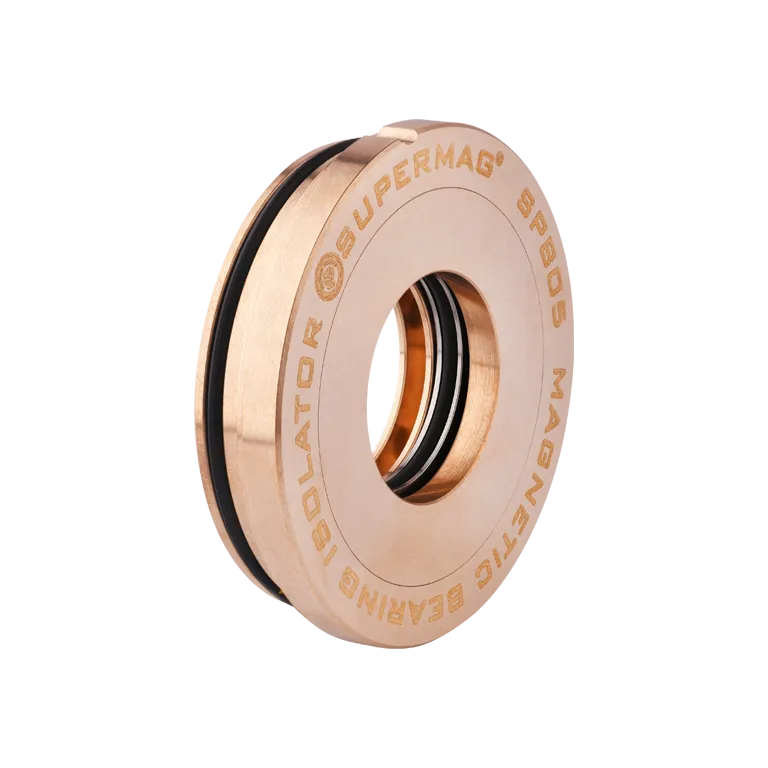
What is the Difference Between Oil Seals and Bearing Isolators?
When it comes to protecting rotating equipment, two common sealing solutions are oil seals and bearing isolators. Although both are used to control contamination and retain lubrication, they function very differently and offer different levels of reliability. Understanding these differences can help industries choose the right sealing solution for pumps, motors, gearboxes, blowers, and other rotating machinery.
- What Are Oil Seals?
Oil seals—also known as radial lip seals—are traditional sealing components used to retain lubricants and prevent dirt from entering the bearing housing. They consist of:
- A metal case
- An elastomer (rubber) lip
- A spring to maintain contact pressure
How Oil Seals Work
Oil seals work by continuous contact between the flexible rubber lip and the rotating shaft. The tight fit forms a physical barrier that keeps oil inside and contaminants outside.
Limitations of Oil Seals
Although widely used, oil seals have several weaknesses:
- The lip wears out over time due to friction.
- Shaft surface damage occurs due to constant rubbing.
- They are not suitable for high speeds and high temperatures.
- Once damaged, they cause leakage and premature bearing failure.
- Their lifespan is limited and requires frequent replacement.
- What Are Bearing Isolators?
Bearing isolators are non-contact, highly engineered sealing devices used to protect bearings from contamination. They typically consist of corrosion-resistant materials like bronze or PTFE and use a labyrinth-like design to block contaminants.
How Bearing Isolators Work
Unlike oil seals, bearing isolators are contact-free. They use:
- A static component
- A rotating component
- A precision labyrinth path
This design channels contaminants away from the bearing while allowing lubricant to remain inside. Because there is no friction, there is no wear, significantly extending equipment life.
Advantages of Bearing Isolators
- Zero friction → no shaft wear
- Long-term sealing without replacement
- Suitable for high-speed, high-temperature applications
- Keeps both contaminants out and lubricants in
- Reduces downtime and maintenance costs
- Ideal for motors, pumps, gearboxes, fans, and turbines
- Key Differences Between Oil Seals and Bearing Isolators
| Feature | Oil Seals | Bearing Isolators |
| Design Type | Contact seal (rubber lip touches shaft) | Non-contact seal (labyrinth sealing) |
| Friction Level | High | Zero |
| Shaft Wear | Yes (continuous rubbing) | No |
| Life Expectancy | Short (wears out) | Long (no wear) |
| Contamination Protection | Moderate | Excellent |
| Speed & Temperature Handling | Limited | High performance |
| Maintenance Cost | Frequent replacement | Low, long-term protection |
| Best For | Low-duty applications | Critical, high-value equipment |
- Which One Should You Use?
✔ Use Oil Seals When:
- The machinery is low-speed, low-temperature.
- Cost is a primary concern.
- Occasional replacement is acceptable.
- The application is not critical to plant operation.